Culture
Almora Travel Guide: The Cultural Heart of Kumaon
Explore Almora through its old bazaars, Kumaoni food, ancient temples, local crafts and Himalayan views with this complete three-day travel guide.
Opening note
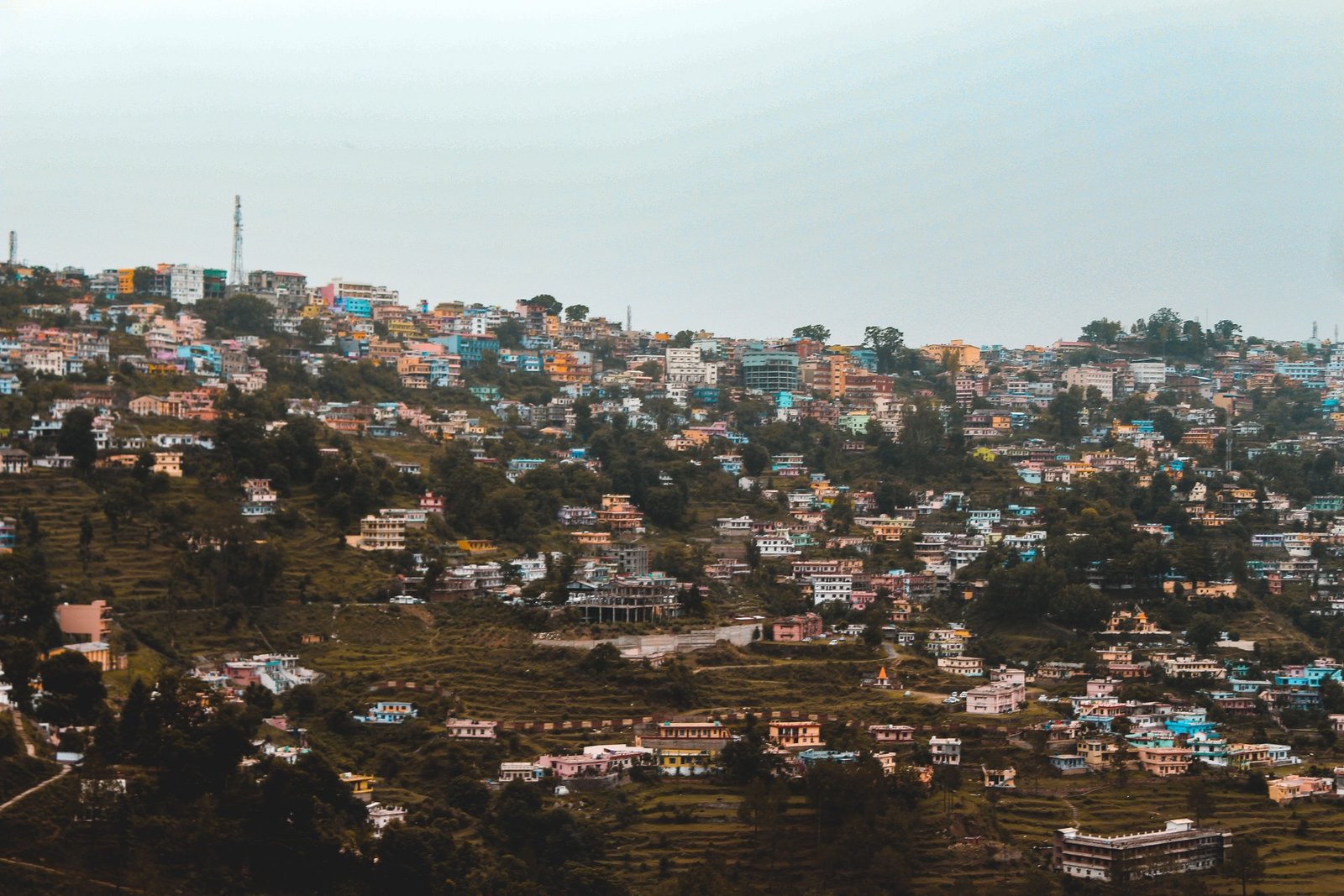
Almora does not unfold like a hill station designed around a single viewpoint. It reveals itself through sloping lanes, carved wooden doors, temple courtyards and old shops that have watched generations pass. The scent of roasted khoya drifts from sweet shops, copper vessels shine inside narrow storefronts, and conversations in Kumaoni move easily through the market. The town rests along a horseshoe-shaped ridge, with homes and bazaars descending across its sides. On a clear morning, the Himalayan peaks appear beyond the rooftops—not as a separate attraction, but as part of everyday life. Almora is often called the cultural heart of Kumaon because its identity has never depended only on scenery. Its food, festivals, folk traditions, temples, crafts and old neighbourhoods continue to carry the memory of the region. This Almora travel guide explores the town through that living culture, along with the best time to visit, road route, local food, nearby places and a thoughtful three-day itinerary.
Orientation
Know the place
Almora is situated at approximately 1,638 metres above sea level in Uttarakhand’s Kumaon region. The town stretches along a horseshoe-shaped ridge, traditionally divided into Talifat on the eastern side and Selifat on the western side. According to the Almora district administration, the town was founded in 1568 by Kalyan Chand and developed under the Chand rulers. It later became an important administrative centre during British rule. The old town still carries traces of this history through stone-paved markets, traditional houses, neighbourhood temples and narrow pedestrian lanes. Unlike destinations built primarily around hotels and viewpoints, Almora remains a working Kumaoni town. Schools, homes, sweet shops, temples, government buildings and historic bazaars all occupy the same ridge. Its culture is not preserved behind museum glass. It continues in daily routines.
02 · Why it matters
More than a point on the map
Almora’s beauty is found in the way history and ordinary life share the same street. A temple bell rings while shopkeepers open wooden shutters. Women create Aipan patterns during festivals. Local sweets are wrapped for families travelling back to the plains. Folk songs continue to describe forests, rivers, snow-covered peaks and the lives shaped by them. The Kumaoni traditions connected with Almora include Jhora, Chanchari, Chhapeli, Nyoli and other forms of folk music and dance. Stories of local deities, heroes and spirits remain part of the region’s oral heritage. Almora is also a town of contrasts. The busy market ridge gives way to the stillness of Kasar Devi. Temple courtyards filled with bells are followed by forest roads leading towards Binsar and Jageshwar. You do not come here only to see a mountain town. You come to understand how Kumaon remembers itself.
Experiences
What stays with you
Walk through old Almora : The best introduction to Almora is not a viewpoint but a walk through its older neighbourhoods. Notice the traditional façades, carved doors, tiled roofs, neighbourhood temples and steep lanes connecting different parts of the ridge. Begin without a strict checklist. Almora rewards people who stop to observe.
Explore Lala Bazaar : Lala Bazaar is one of Almora’s defining cultural spaces. The district administration describes it as a market more than two centuries old, known for its stone-paved street. The bazaar is lined with sweet shops, clothing stores, utensil sellers, small temples and family businesses. Look beyond modern shop signs and traces of the older market town remain visible. Buy from local businesses, but avoid treating the market merely as a background for photographs.
Visit Nanda Devi Temple : Nanda Devi Temple remains one of Almora’s most important religious and cultural centres. The present temple is associated with the Chand rulers. The annual Nanda Devi Mela, traditionally held in September, brings music, processions, craft, devotion and community gatherings into the heart of town.
Visit Chitai Golu Devta Temple : Chitai Golu Devta Temple is situated approximately eight kilometres from Almora. Thousands of bells hang throughout its premises, offered by devotees expressing gratitude or seeking justice. Written petitions can also be seen around the temple. Visit respectfully and avoid touching private letters or photographing individual petitions closely.
Spend time at Kasar Devi : Kasar Devi offers forest walks, wide valley views and a contemplative atmosphere above Almora. The temple is associated with a long spiritual history, while the surrounding ridge later attracted writers, seekers and travellers from different parts of the world. Swami Vivekananda visited the area during the 1890s. Kasar Devi is best experienced without rushing from one café to another. Walk through the forest, visit the temple and stay for the evening light.
Watch sunset from Bright End Corner : Bright End Corner is known for its sunset views and quiet atmosphere. Visibility depends on the weather, so arrive with enough time to walk rather than expecting a guaranteed dramatic sunset.
Visit Katarmal Sun Temple : Katarmal lies approximately 17 kilometres from Almora and is known for its historic Sun Temple complex. The approach may involve walking, and facilities can be limited. Wear comfortable shoes and check current road access before visiting. The stone architecture and open mountain setting make Katarmal one of the most rewarding heritage excursions from Almora.
Take a day trip to Binsar : Binsar lies approximately 30 kilometres from Almora. Oak and rhododendron forests cover the sanctuary, while clear days can reveal a broad Himalayan panorama. Start early, follow sanctuary regulations and confirm the latest gate timings and entry conditions.
Experience Jageshwar : Jageshwar lies approximately 35 kilometres from Almora in a narrow valley surrounded by deodar trees. Its historic stone temples, forest setting and the Jata Ganga flowing nearby create an atmosphere entirely different from Almora town. Jageshwar deserves several unhurried hours rather than a quick roadside stop.
04 · Plan
Plan smart, travel easy
How to reach
By road
Follow the reviewed route shown above. Distances and travel time are guidance rather than live traffic information.
By train
Kathgodam is the nearest major railway station, approximately 90 kilometres from Almora.
It has rail connections with Delhi and several other cities. Buses, shared taxis and private cabs are available outside or near the station for the onward journey.
Confirm current train schedules directly with Indian Railways because timings can change.
By air
Pantnagar Airport is the nearest commercial airport, approximately 127 kilometres from Almora.
s can be limited, so travellers should check availability before planning the rest of the journey. From Pantnagar, Almora is reached by road through Haldwani and Kathgodam.
Local transport
Shared taxis and local cabs connect Almora with Kasar Devi, Chitai, Binsar, Jageshwar, Ranikhet and Kausani.
Within old Almora, walking is often more practical than driving. The market lanes are narrow, sloping and best explored slowly.
Best time to visit
March to June
Spring and early summer bring comfortable days, flowering trees and generally pleasant walking weather.
March and April can offer clear views, while May and June are warmer and busier. Almora remains cooler than the plains, but the afternoon sun can still feel strong.
July to September
The monsoon turns the forests and valleys intensely green. Clouds move across the ridge, and quieter days reveal a softer side of Almora.
Heavy rain can also cause landslides, road delays and slippery market lanes. Check road conditions before travelling.
The Nanda Devi festival is traditionally held in September, although exact dates should be confirmed each year.
October to November
Autumn is one of the best periods for Himalayan views. The air becomes crisp, skies are often clearer and walking through the old town remains comfortable.
Festival periods can bring additional colour and activity to Almora.
December to February
Winter days can be bright and peaceful, while mornings and nights become cold. Clear weather may offer excellent mountain views.
Snowfall inside Almora town is uncommon and should never be assumed while planning a winter trip, though higher areas around the district may receive snow.
Pahad Calling recommendation: Visit from March to April for spring weather or from October to November for clearer Himalayan views and a slower cultural experience.
People & place
Food and local culture
Food is one of the best ways to understand Almora. Bal Mithai is made from roasted khoya and covered with small white sugar pearls. Its deep caramelised flavour has become closely associated with Almora. Buy a small fresh portion from an established local sweet shop instead of judging it only through packaged versions. Singori is prepared with sweetened khoya and traditionally wrapped inside a fragrant molu leaf. The leaf gives the sweet a distinctive aroma and makes opening it part of the experience. Dubuk is a slow-cooked preparation made from ground lentils such as bhatt or gahat. It is comforting, earthy and especially suited to cold weather. Bhang ki chutney : This tangy Kumaoni chutney is traditionally prepared from roasted hemp seeds, herbs and spices. It is served as a flavourful accompaniment to everyday meals. Other dishes to try : Bhatt ki churkani, Aloo ke gutke, Mandua roti, Gahat dal, Jhangora ki kheer, Kumaoni raita, Seasonal local vegetables. Traditional dishes may be easier to find at homestays or local kitchens than in restaurants serving generic tourist menus.
Before you leave
Plan with care
Useful notes
- Stay for at least two or three nights.
- Choose accommodation in old Almora for market access or Kasar Devi for quieter surroundings.
- Wear comfortable shoes because the town has steep lanes and stairs.
- Avoid taking a vehicle into narrow market sections.
- Start day trips to Binsar or Jageshwar early.
- Carry a light jacket even during summer evenings.
- Pack rain protection during the monsoon.
- Keep some cash for small shops and shared taxis.
- Ask before photographing residents or shop interiors.
- Buy crafts directly from local makers when possible.
- Confirm sanctuary, museum and temple timings locally.
- Try Kumaoni food rather than eating only familiar café dishes.
- Keep one flexible day if travelling during the monsoon.
- Do not expect every Himalayan peak to remain visible throughout the day.
- Use official parking areas and avoid blocking narrow roads.
Things to avoid
- Avoid exploring narrow hill roads after dark if you are unfamiliar with them.
- Do not park inside congested market lanes.
- Avoid travelling during heavy-rain or landslide warnings.
- Do not feed monkeys around temples or forested areas.
- Never leave plastic or food waste at viewpoints.
- Avoid photographing private religious petitions at Chitai closely.
- Do not purchase products presented as local without asking where they were made.
- Avoid turning residential neighbourhoods into noisy photography locations.
- Do not attempt to cover Almora, Binsar, Jageshwar and Kausani in a single day.
- Avoid planning the trip only around cafés and viewpoints; the old town is central to understanding Almora.
07 · Make it yours
Suggested itinerary
- Day 1 – Old Almora and Lala Bazaar : Arrive in Almora and settle into your accommodation. Begin with a walk through the old town, Lala Bazaar and the lanes around Nanda Devi Temple. Stop for Bal Mithai or Singori at a local sweet shop. End the day at Bright End Corner or a quiet viewpoint near your stay.
- Day 2 – Kasar Devi and Chitai Golu Temple : Visit Kasar Devi in the morning. Walk through the forested ridge, spend time at the temple and have a slow breakfast overlooking the valley. Continue to Chitai Golu Devta Temple. Return to Almora and spend the evening exploring local craft shops or trying a Kumaoni meal.
- Day 3 – Binsar or Jageshwar : Choose Binsar for forest walks, wildlife and Himalayan views. Choose Jageshwar for stone temples, deodar forests and a deeper heritage experience. Both places deserve time, so avoid forcing them into the same day. Add a fourth day if you want to experience both. Katarmal Sun Temple can be included during arrival or departure depending on your road route and available time.
A final note
Almora is not remembered through one grand landmark. It remains in smaller details—the curve of a stone-paved lane, bells moving in the wind at Chitai, the molu leaf wrapped around Singori and the sudden appearance of white peaks beyond old rooftops. The town does not separate culture from everyday life. It carries history through its markets, food, festivals, songs and family-run shops. Come here with enough time to walk. Listen before photographing. Taste what belongs to the region and notice what survives beyond the obvious.Almora may be called the cultural heart of Kumaon, but its rhythm is quiet. You have to slow down to hear it.
No approved comments yet. Be the first to share your thoughts.