About the place
The feeling of Basar
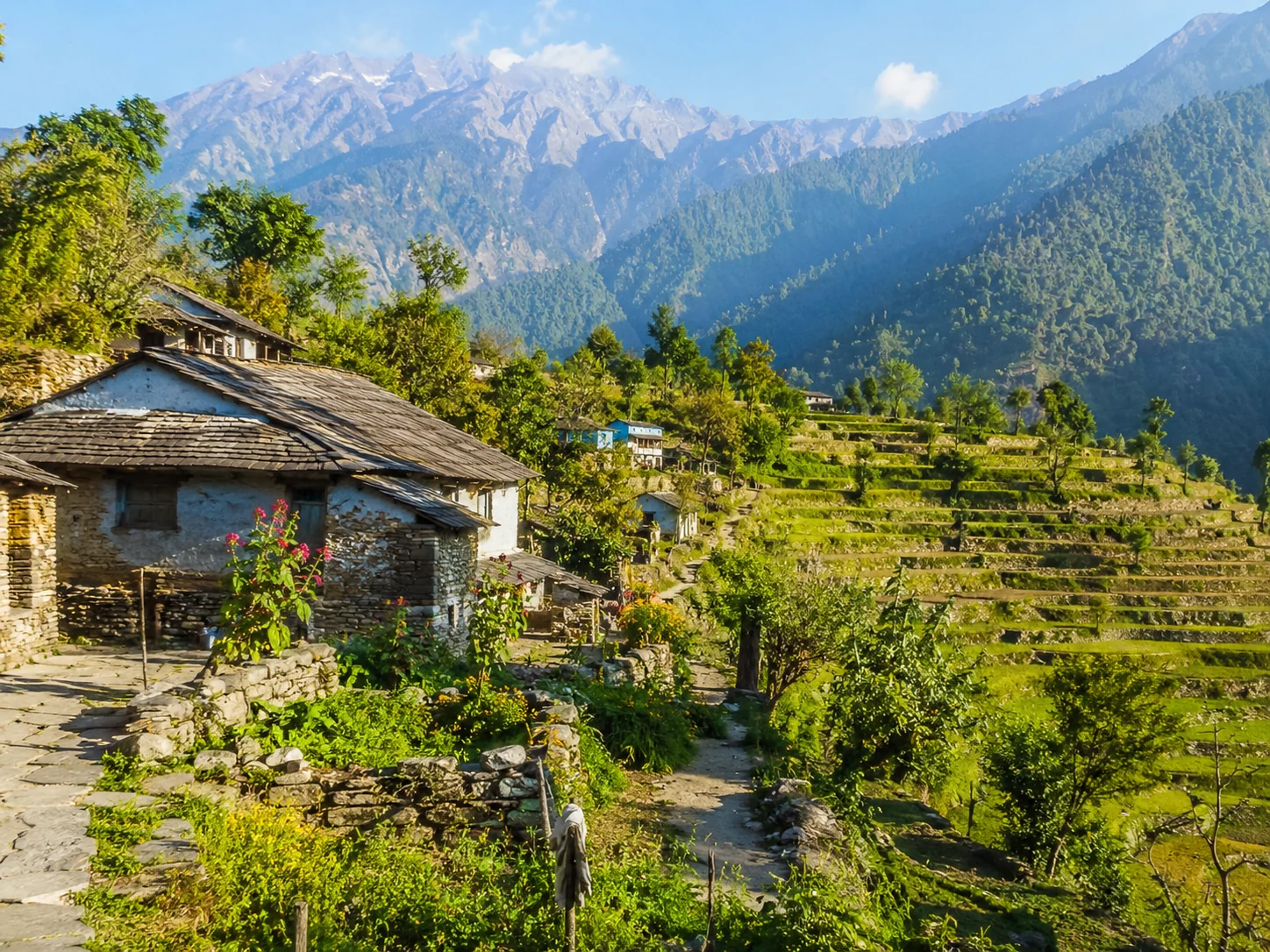
Basar lies among the forested hills of Arunachal Pradesh, along the road connecting Likabali and Aalo. The town serves as the headquarters of Lepa Rada district, which was carved out of West Siang in 2018. Around Basar, small settlements occupy the hillsides while paddy fields spread across the lower valley. Rivers and streams, including the Kidi and Hie, flow through the surrounding landscape. Despite its administrative importance, agriculture and village life remain prominent features of the area.
Basar is one of the important settlements of the Galo community, an indigenous group belonging to the wider Tani family of peoples. Galo traditions trace their ancestry to Abo Tani, a figure deeply rooted in the oral histories of several communities across Arunachal Pradesh. Rice cultivation, bamboo craftsmanship and weaving have long been part of everyday life here. The traditional *gaale*, a wraparound garment woven by Galo women, is among the region's distinctive textiles. These practices are closely tied to family life, seasonal work and the cultural traditions maintained across the surrounding villages.
The forests around Basar have also become the focus of notable local conservation efforts. In nearby Soi village, a project initiated in 2011 worked to restore a drying natural spring through rainwater harvesting and forest regeneration. The effort eventually helped revive the village's water supply and abandoned paddy fields. It later expanded to include the protection of native plants and orchids. This work reflects a practical concern in the region, where rivers, forests and agricultural land are closely connected to the livelihoods of local communities.
Basar has gained wider recognition through Basar Confluence, commonly known as BASCON, a community-organised cultural festival that brings together traditional music, dance, food, handicrafts and sporting activities. Visitors can encounter Galo weaving, traditional fishing practices and performances representing different communities of Arunachal Pradesh. Beyond the festival, the surrounding countryside includes forest trails, waterfalls near villages such as Hipo, and caves around Padi. Together, these places offer a closer understanding of Basar as a region shaped by its people, rivers, agriculture and continuing cultural traditions.