About the place
The feeling of Hirpora Wildlife Sanctuary
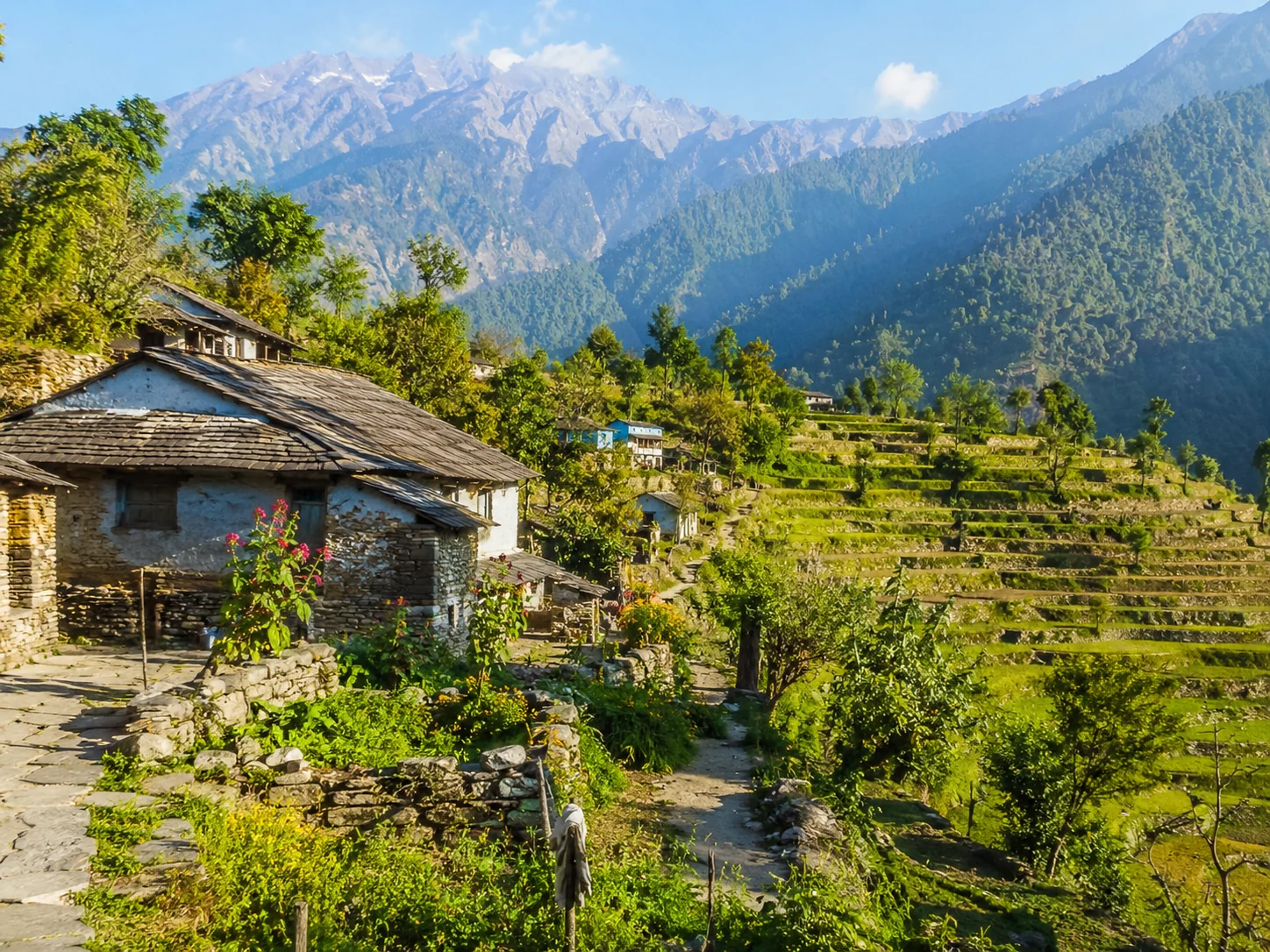
Hirpora Wildlife Sanctuary lies in the Pir Panjal mountains of Shopian district, where the cultivated lands of southern Kashmir give way to thick forests, rocky slopes and high-altitude pastures. Spread across approximately 341 square kilometres, the sanctuary takes its name from Hirpora village, situated along its northeastern boundary, about 12 kilometres from Shopian town. The village serves as a gateway to this protected landscape, with the historic Mughal Road passing through the surrounding mountains towards Peer Ki Gali. Beyond Hirpora, the terrain rises sharply, opening into a succession of forested valleys, mountain streams and ridges that remain covered with snow for much of the winter.
Established as a wildlife sanctuary on 19 March 1987 and expanded in 2007, Hirpora protects an important stretch of the western Himalayas. Its vegetation changes considerably with altitude. Forests of blue pine, silver fir and spruce cover the lower mountain slopes, while Himalayan birch, juniper and alpine grasslands occur farther uphill. Among the sanctuary's most remarkable inhabitants is the Pir Panjal markhor, a wild mountain goat recognised by the long, spiralling horns of its males. The species inhabits steep and difficult mountain terrain, making sightings uncommon. Himalayan musk deer, brown bears, Asiatic black bears, leopards and several species of mountain birds have also been recorded here. The sanctuary's importance lies particularly in providing habitat for wildlife that depends on the relatively undisturbed forests and high mountain slopes of the Pir Panjal.
Hirpora's landscape is also connected with the lives of people living around the protected area. The village of Hirpora and neighbouring settlements depend on the wider mountain environment for water, agriculture and other resources. During the warmer months, Gujjar and Bakarwal pastoral families traditionally bring their livestock into the higher grazing grounds, following seasonal routes that have been used for generations. These movements form part of the region's pastoral heritage, although increasing pressure on grazing land has also created challenges for wildlife conservation. Streams originating in the surrounding mountains contribute to the water systems that support orchards, cultivated fields and settlements farther down the Kashmir Valley.
The Mughal Road adds another dimension to Hirpora's identity. Once part of an important passage connecting Kashmir with the regions beyond the Pir Panjal, the modern road has improved access to the mountains but has also raised concerns about habitat disturbance and the movement of wild animals. Hirpora is therefore not simply a forested destination along a mountain highway. It is a protected ecosystem where rare wildlife, seasonal pastoral traditions, village livelihoods and an old trans-Himalayan route exist within the same landscape. Understanding the sanctuary also means recognising Hirpora village, whose name and geographical position have become closely associated with the conservation of these mountains.